5 Truths About Becoming a Successful Artist
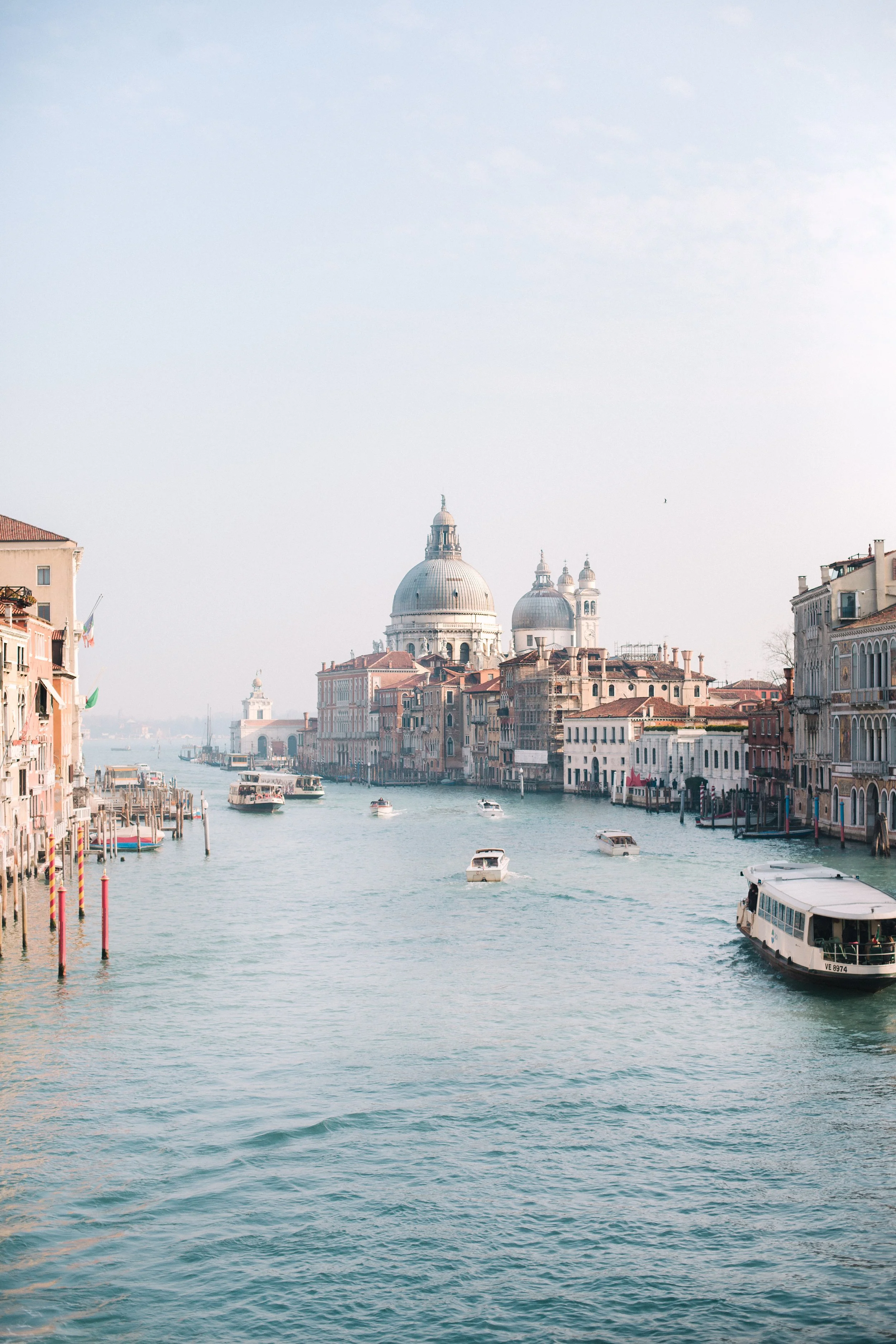
Venice by Christina Greve
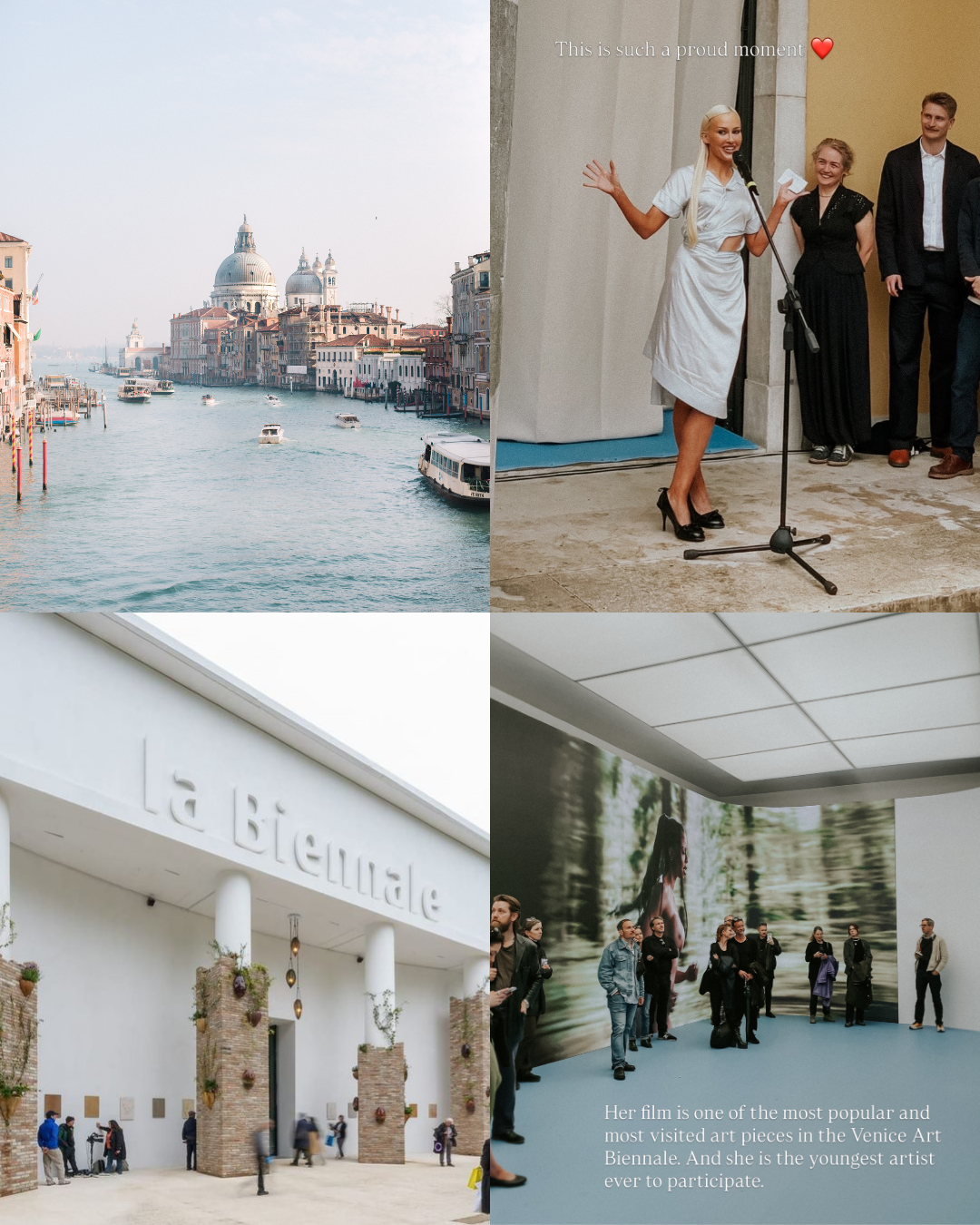
A few weeks ago, I stood in Venice surrounded by some of the most influential people in the international art scene. Collectors, gallery owners, museum directors, art critics, and curators from some of the biggest museums in the world.
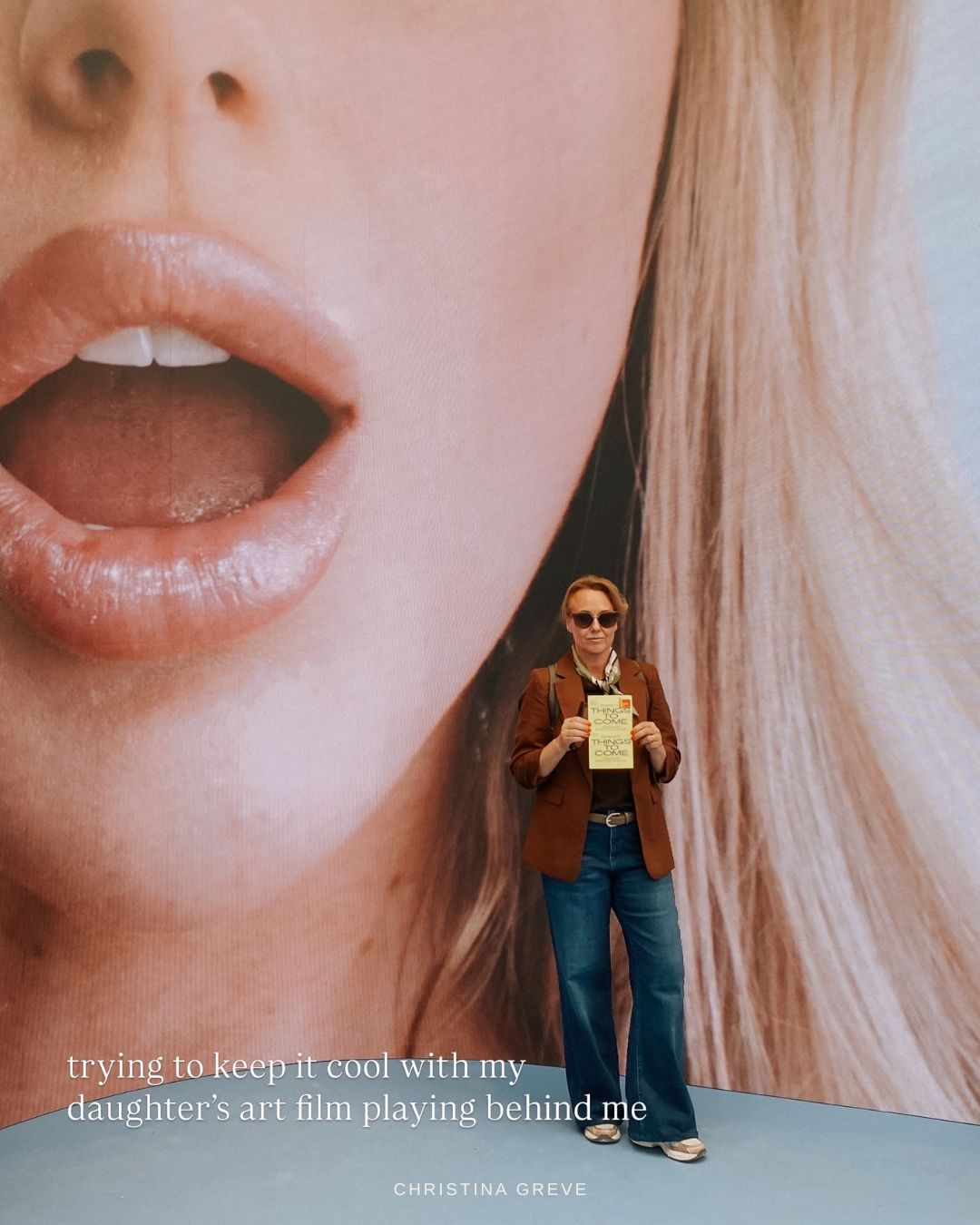
They had all gathered for the grand opening of my daughter’s exhibition at the Venice Art Biennale.
I almost did not make it there in time.
After travelling for hours, I found myself rushing through the narrow rain-soaked streets of Venice, desperately trying to balance a half-broken umbrella while navigating Google Maps through the labyrinth of tiny alleyways and canals.
By the time I finally arrived outside the building, soaked and breathless, the doors had already closed.
“Sorry, no more entrance,” the security guard said politely.
“But I’m the mother,” I replied, while trying very hard not to cry.
Something in my face must have revealed the emotional chaos happening inside me, because thankfully he opened the door and let me in.
The welcome speech had already started by the time I entered. The room was overflowing with people, and all I could see were rows of heads, cameras, and the overwhelming energy of this enormous moment.
But honestly, at that point, I just wanted to see my daughter. Because, I had not seen her for months.
So I did something I would normally never do.
I pushed my way through the crowd.
With my wet umbrella in one hand and emotional tears pressing behind my eyes, I squeezed myself between all these important people quietly repeating, “Sorry… I’m the mother… sorry…”
All the way toward the front row.
And then suddenly, there she was.
My little girl...
Now a grown woman standing nervously at the beginning of her international art career.
If you are not familiar with the art world, let me explain how enormous this is. The Venice Art Biennale is considered one of the most prestigious art exhibitions in the world. For many artists, it represents the absolute highest level a creative career can reach.
And at just 33 years old, Maja became the youngest artist ever to participate in the Biennale in its 120-year history.
For almost two years, my daughter worked intensely on this project between New York, LA, Copenhagen and Venice. As her mother, I have witnessed the amount of dedication, and personal investment it has required from her.
So much of the work behind a moment like this is invisible to the outside world. People see the opening night, the fame and the applause. But they rarely see the years of persistence and inner resilience it took to get there.
On the opening day, many people approached me curiously wanting to meet “the mother of the artist.” And more than once, I was asked the same question:
“How did you make her?”
I remember smiling a little awkwardly every time, because the question made me uncomfortable. Part of me felt tempted to ask if they did not know the story about the birds and the bees…
But of course I knew what they meant; How did I raise her to become such a successful artist?
“SHE made herself,” I replied.
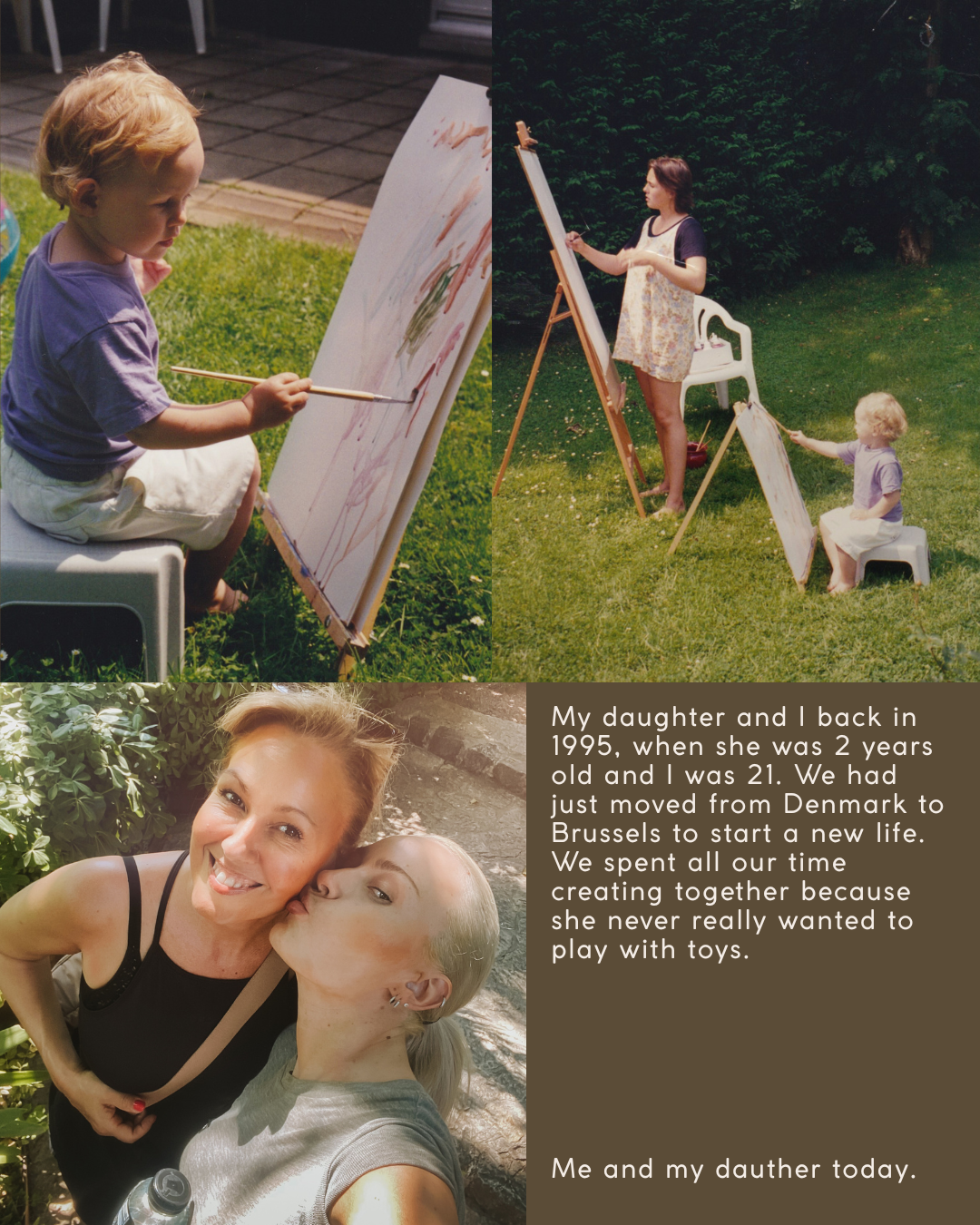
She took every risk herself. She worked relentlessly for every opportunity. She dared to enter rooms that intimidated her. She kept creating even during uncertain periods where nothing was guaranteed.
So my reply was always, “I can’t take credit for my daughter’s success; she made herself, and I’m simply very proud to be her mother.”
But afterward, I kept thinking about those conversations. Because while I did not “make” her, I do believe I helped create the conditions where the artist in her could survive and flourish.
And maybe that reflection touched me so deeply because I know exactly what it feels like when creativity is not supported.
Growing up, I dreamed about becoming an artist. But unlike my daughter, I did not grow up with people encouraging that dream. I was told often; that it was impossible to make a living as an artist. I was told to get a “real” job. I was told to stop being naive. And more than once, I was told I simply was not good enough, creative enough or smart enough.
I still remember proudly showing drawings, photographs and other creative ideas to adults around me, hoping they would see what I saw. But often they responded with harsh critique. Or maybe even worse, disinterest. A quick glance. No awareness. No real curiosity. And when you are a sensitive creative child, those moments land deeply.
Because being an artist is an incredibly vulnerable thing. What you create comes from your inner world. Your imagination. Your emotions. Your way of seeing life.
So when your creativity is rejected, ignored, or criticised harshly, it does not only feel like criticism of the work. It can feel like rejection of you.
I know I'm far from alone in carrying wounds like this. And that is one of the reasons I feel so passionate about supporting creative women today.
Because I know how painful it feels to not be fully seen. To not feel understood. To question whether your sensitivity is “too much.” To wonder whether your dreams are unrealistic. I know how easily creative women shrink themselves when the world keeps asking them to become more practical, less emotional, less ambitious, less visible.
And after working with thousands of creative women over the past two decades, I can honestly say this: The lack of talent is rarely the thing holding creatives back. It's always fear... Fear of judgment. Fear of visibility. Fear of creating something deeply personal and letting the world see it.
The women who make it big are usually not the women who feel the most confident. So what is it that allows some creatives to become truly successful? Let’s talk about it.
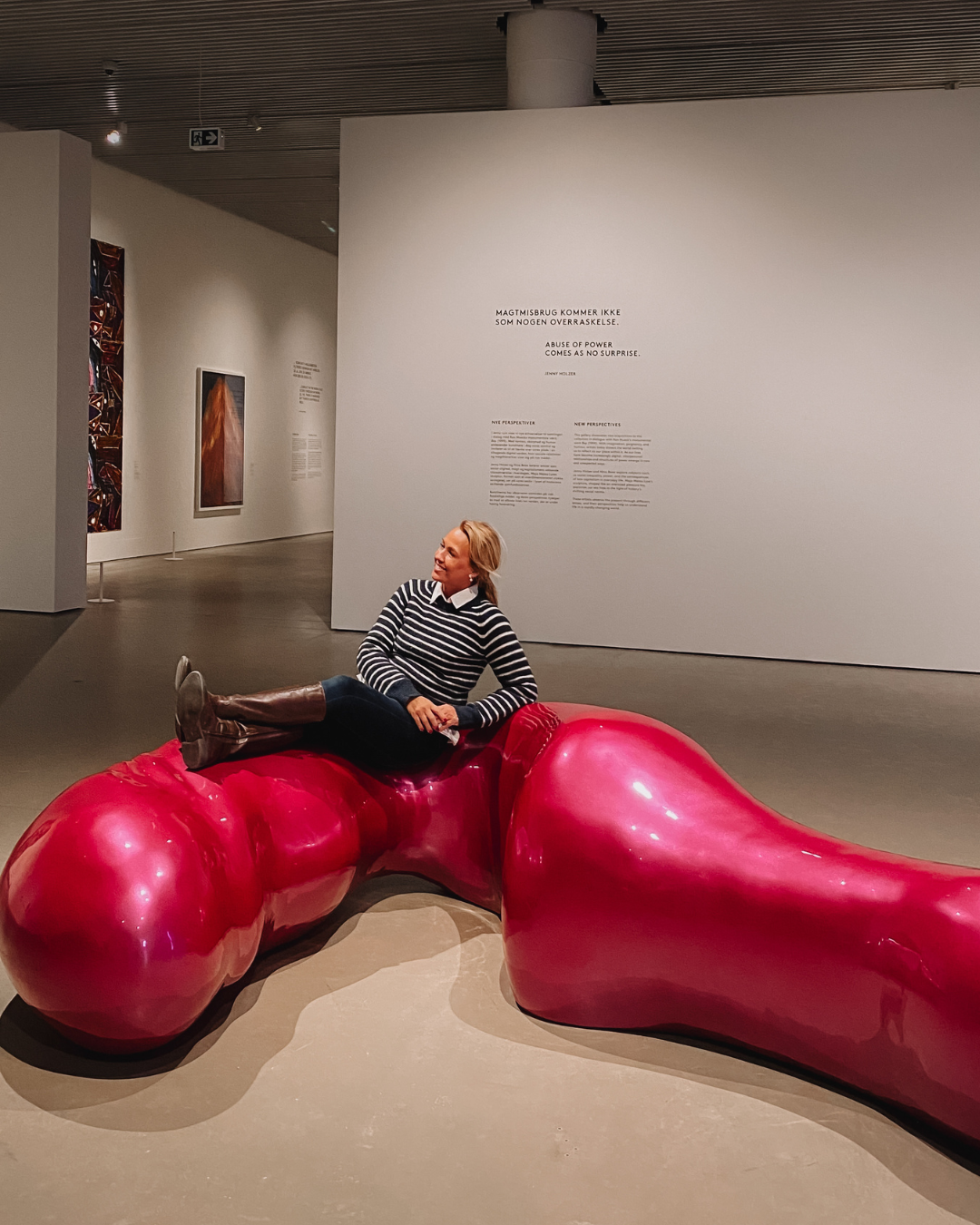
Me taking a lil rest on my daughter’s sculpture at Aros Museum in Aarhus, Denmark
5 Truths About Becoming a Successful Artist
Truths#1. Your failures are your best teachers
There is no need to be hard on yourself when your creative work is not living up to your own expectations. But this is where many creatives give up. The moment we do not like what we create, our motivation often drops.
Instead of continuing, experimenting, and trying new ways of doing things, we often go online looking for inspiration. And after a few hours of scrolling, we do not feel inspired at all. We feel discouraged, because somewhere along the way inspiration quietly turned into comparison. And nothing kills creativity faster than comparison.
Many creatives give up while standing in the uncomfortable space between where they are now and where they want to be. This phase can feel incredibly frustrating and vulnerable if you do not understand that it is a completely normal part of the creative process.
The most important skill in this phase is to have patience with yourself. You need to accept the learning curve, allow yourself to be imperfect, and learn to celebrate the art of experimenting instead of expecting instant mastery.
Mastery is you patiently doing your thing. Hour after hour of trying, failing, adjusting, doubting yourself, trying again, refining your eye, refining your voice, and continuing long after the excitement disappears.
When you see somebody making art look effortless, you are usually witnessing the result of thousands of invisible hours of that person failing and starting over again and again.
Truths #2: Be obsessed with your time and energy
Most people think becoming a better artist is mainly about talent or luck. It is not. Your creative work is deeply connected to your energy, your focus, your emotional state, and the way you spend your days.
Great artists protect their creativity fiercely. They understand that constantly draining themselves on distractions, people-pleasing, comparison, overstimulation, endless scrolling, gossip, chaos, and obligations leaves very little energy left for meaningful work.
The most successful and influential artists share one thing in common when it comes to their creative process: they intentionally carve out space to fully immerse themselves in their work.
Whether physically, mentally, or both, they often isolate themselves from distractions so they can live, breathe, and remain completely present with the creative process.
Creativity needs space. It needs silence. Boredom sometimes. Long uninterrupted hours.
One of the biggest differences I see between creatives who grow and creatives who stay stuck is this: Successful artists become extremely intentional about what they give their energy to.
They understand that every “yes” comes with a cost. Every distraction steals focus, and every unnecessary demand pulls energy away from your creative work.
Protecting your energy is not selfish, it is one of the most important forms of creative discipline. And if you constantly give all of yourself away to things that drain you, there will be very little left for your creativity.
And here's something interesting to think about....
If you spend around 1,000 focused hours practicing a creative skill over a year, you become extremely skilled.
1,000 hours sounds enormous at first. But it actually equals around 19 hours a week. Roughly 2-3 hours a day. And what is fascinating is that research shows the average woman between 40 and 60 spends more than that amount of time on social media every day.
Just imagine that for a moment. What could happen if those hours were slowly redirected toward something creative instead?
Photography.
Writing.
Painting.
Music.
Ceramics.
Filmmaking.
Design.
Movement.
Building a business.
Most people underestimate what consistent effort over time can create. But if you’re willing to spend less time scrolling and more time creating you will become extraordinary at what you do.
Truths #3. Your job is NOT to become fearless
Your job is to SHOW your work despite the fear. Courage is NOT the absence of insecurity. Courage is continuing anyway.
Every successful artist I know, and I know many from all creative industries, struggles with fear, nervousness, insecurity, and self-doubt. Those feelings rarely disappear completely, even when you become highly successful. In many ways, the pressure only grows bigger. People begin expecting you to constantly deliver, evolve, impress, and stay relevant.
But if you want to create something meaningful, you cannot spend your life hiding behind your comfort zone. You have to show up scared and do your work anyway.
Unfortunately, many talented creatives stay hidden. Not because they lack talent, but because fear convinces them to stay invisible.
If you place ten equally talented artists in a room, and all of them feel insecure and afraid, but only one of them chooses to step onto the stage despite the fear, that is the artist most likely to succeed. Because no one can support your work if they do not know you exist.
No one can connect with your art if you keep hiding it. At some point, every creator has to make peace with visibility. You have to risk judgment, rejection and being misunderstood. So stop waiting to become fearless before you begin. Feel the fear of visibility and do it anyway.
Truths #4. Don't allow criticism to stop you
One of the hardest parts about being a creative is learning how to protect your inner voice in a world filled with opinions.
People will try and tell you what is realistic. What is possible. What kind of life you should choose. They will project their own fears, limitations, disappointments, and beliefs onto your dreams. And if you hear those voices long enough, you slowly begin doubting yourself.
I have seen incredibly talented creatives stop creating because somebody once told them they were not good enough. Sometimes it was a parent. A teacher. A partner. A classmate. A stranger online.
One careless comment can stay inside a sensitive creative mind for decades. But here is something important to understand: People often judge things they do not fully understand. Especially creativity.
When somebody has never built a creative life themselves, they often cannot see the vision before it exists. They only see risk, uncertainty, or something that feels unfamiliar to them. And sometimes people will try to shrink your dreams simply because your courage confronts the parts of themselves they abandoned long ago.
You cannot build an extraordinary creative life while constantly asking ordinary people for permission. At some point, you have to stop treating every opinion as truth. Because many successful artists were doubted long before they were celebrated.
If I had listened to all the doubters, critics, and people who told me my dreams were unrealistic, I would never have built my business or created the life I have today. And if my daughter had listened to every limiting opinion, rejection, or criticism she encountered about her artwork along the way, she would never have made it to Venice.
Do not let anyone, or anything, stop you from creating and sharing your work with the world. Learn to let other people’s opinions move through you instead of taking root inside you. Do not hand strangers, critics, or disappointed people the power to define your talent, your potential, or the size of your dreams.
You do not need to justify your creativity to people who cannot see your vision. And you do not need to become flawless before allowing yourself to take up space and share your work with the world. Creating is already enough reason to take your work seriously.
Your voice matters. Your perspective matters. Your creativity matters. And the world becomes far more interesting when people dare to share what only they can create.
Truths #5. The right people can change your life
I know many creatives dislike this part. They want their work alone to speak for itself. And ideally, it should. But the truth is, creative careers are often built through relationships, conversations, collaborations, and human connection.
This is exactly what I witnessed in Venice. The art world is deeply relationship-driven. Artists, curators, collectors, gallery owners, journalists, museums, assistants, collaborators, patrons, and creative directors all know each other.
Conversations lead to introductions. Introductions lead to opportunities. Opportunities lead to bigger visibility. And honestly, many talented creatives stay isolated for far too long.
They hide behind their screens. They avoid reaching out in person because they fear rejection, or awkwardness. But real networking is not about trying to impress people or constantly asking yourself what somebody can do for your career.
The strongest relationships are usually built in much more natural and human ways. You take genuine interest in other people’s work. You support people you admire. You introduce people to each other when you sense they could inspire or help one another. You share knowledge, ideas, encouragement, and opportunities freely without constantly calculating what you will get back.
Over time, those human interactions slowly build trust and real connection. And that is often how careers grow big. The right people can truly shift the direction of your life. But you gotta show up and be in the room. Go to exhibitions. Workshops. Events. Gatherings. Stay curious about people. Introduce yourself. Start conversations. Ask questions. Follow up afterward.
And one more thing... Avoid networking with people who just want your service, talent, knowledge and skills for free. (Remember rule number two: protect your time and energy.) Pay attention to how people approach you. People who truly respect you, usually respect the value of your time and work too.
After Venice, one thought kept returning to me again and again: The people who create extraordinary things are rarely the people who never doubted themselves. They are the people who kept believing in their vision long before the world understood it. And honestly, I think that is what separates dreams from reality in the creative world. Not talent alone. But devotion, obsession, and courage.
The willingness to stay with the work long enough for it to grow into something you cannot ignore.
So if there is something inside you wanting to be expressed, created, shared, explored, photographed, painted, written, built, filmed, designed, or brought to life...
Please do not hold yourself back from the work you are here to create. Take these five rules with you. Return to them often. Practice them. Build your creative life around them.
And most importantly, keep creating, even when the path feels uncertain. Because success are not built in one big career moment. It’s built slowly and consistently over time - one tiny step a day.
A little side note before I go… My brand NEW Soulful Glow workshop in June sold out much faster than I expected, which honestly makes me incredibly excited and grateful.
Women are travelling to Denmark from different parts of the world to spend a few soulful and deeply creative days together here in Aarhus.
The experience is designed for women who feel ready for a new chapter creatively, personally, or professionally. Together we explore reinvention, visibility, self-trust, creativity, branding, and how to create a life and creative path that feels aligned and meaningful.
It’s part workshop, part creative reset, part soulful branding. And because the workshop filled so quickly, I’m already planning the next one.
So if your heart whispers yes to joining in the future, simply contact me and let me know. I’ll happily add you to the waiting list for the next Soulful Glow experience.
With love, Christina